

 Patient Portal
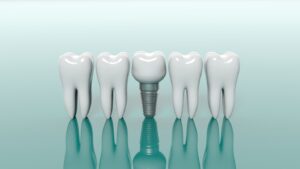
Dental implants have become one of the most reliable and natural-looking solutions for replacing missing teeth, but the modern implant looks very different from the earliest versions. Decades of research, technological advancements, and improvements in dental materials have made implant treatment more predictable, comfortable, and accessible. Let’s explore how dental implants have evolved and how these developments benefit patients today.
The Early Beginnings of Dental Implants
The concept of replacing missing teeth with artificial materials dates back thousands of years. Ancient civilizations experimented with materials such as shells, stones, and metals to replace lost teeth. Unfortunately, these early attempts were often uncomfortable and unsuccessful because the materials did not reliably integrate with the surrounding bone.
A major breakthrough occurred in the 1950s when Swedish orthopedic surgeon Per-Ingvar Brånemark discovered osseointegration. This process describes how titanium can bond directly with living bone. His research eventually led to the development of modern dental implants, creating a foundation for the implant procedures used today.
Improved Materials for Better Results
One of the key advancements in implant dentistry has been the development of stronger, more biocompatible materials. Titanium remains widely used because it is durable, lightweight, and capable of integrating with the jawbone.
Today, zirconia implants also offer a metal-free alternative for certain patients. Improvements in implant surface treatments and designs have helped support bone integration and predictable healing.
These material advancements allow dentists to customize treatment based on a patient’s anatomy, oral health, and individual needs.
More Precise Implant Placement
Modern technology has dramatically improved how dentists plan and perform implant procedures. In the past, implant placement relied more heavily on traditional imaging and the dentist’s clinical judgment.
Today, cone-beam computed tomography (CBCT) provides detailed three-dimensional images of the jawbone, nerves, and surrounding structures. Digital treatment planning allows dentists to determine the ideal implant position before surgery.
Some practices also use computer-guided implant placement to improve precision and help minimize unnecessary tissue disruption.
Faster, More Convenient Treatment Options
Dental implant treatment once required lengthy healing periods and multiple appointments. Although implants still need time to integrate with the jawbone, modern techniques have created additional options for eligible patients.
In certain situations, patients may receive an immediate temporary restoration or have an implant placed soon after tooth extraction. Some patients may also qualify for same-day implant-supported teeth.
These approaches can reduce the time spent without teeth, although not everyone is a candidate. Healing time depends on bone quality, implant stability, and whether additional procedures are necessary.
More Options for Replacing Missing Teeth
Another important advancement is the variety of implant-supported restorations available today. Patients can receive individual implants, implant-supported bridges, or full-arch solutions such as All-on-4.
These options allow dentists to replace one missing tooth or restore an entire smile with a treatment plan tailored to the patient’s needs.
If you’re living with missing teeth, schedule a consultation to discover how modern implant dentistry can help restore your smile, comfort, and confidence!
About the Practice
Enjoy custom-designed restorations and in-house implant treatment here at Highland Smiles Dental in Dallas. We understand the sizeable investment you’re making in your oral health, which is why we offer flexible financing to make the procedure more affordable. If you’d like to book a consultation to explore your options, contact us online or call (214) 528-9990.